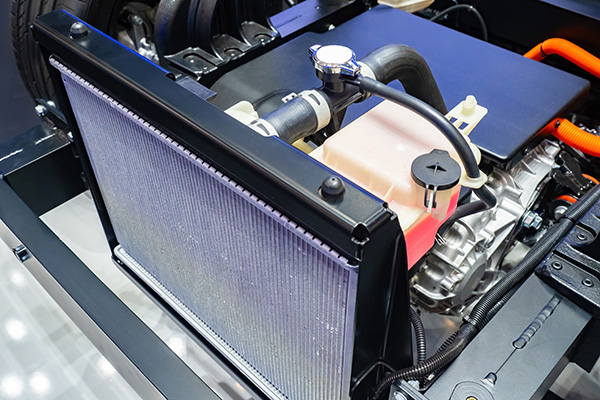
Your vehicle's engine is a powerhouse of moving parts and intense heat. Without the right systems in place to manage this heat, your engine could quickly overheat, leading to significant damage and expensive repairs. One of the most critical elements in your car’s cooling system is radiator coolant, a fluid that plays an essential role in keeping your engine safe and operational. But how exactly does it work?
Let’s take a closer look at how radiator coolant protects your engine and why it’s vital to give this often-overlooked fluid the attention it deserves.
Radiator Coolant
Radiator coolant, also known as antifreeze, is a liquid mixture designed to regulate the temperature of your car’s engine. It typically combines water with ethylene glycol or propylene glycol and often contains additives that help prevent corrosion and improve performance.
This fluid isn’t just about keeping your engine cool in the summer; it also prevents freezing during colder months, ensuring your car runs efficiently year-round. By circulating through the cooling system, radiator coolant absorbs excess heat and carries it away from the engine, keeping the temperature within a safe range.
How Coolant Circulates Through Your Vehicle
The radiator coolant works within a closed-loop system, beginning in the radiator and circulating through the engine block and other components. As the engine runs, the coolant absorbs the heat generated by the combustion process. The fluid then travels back to the radiator, where it releases the absorbed heat through the radiator’s fins, aided by airflow. This process repeats continually, maintaining a stable engine temperature.
The cooling system also includes a thermostat, which regulates when the coolant starts flowing, and a water pump, which ensures the liquid is distributed evenly. Without these components working together, your coolant wouldn't be able to do its job effectively.
Preventing Overheating
One of the main functions of radiator coolant is to prevent your engine from overheating. Internal combustion engines generate immense amounts of heat during operation. If this heat isn’t adequately dissipated, critical engine components can warp, crack, or fail entirely.
Coolant acts as a thermal manager, absorbing the heat and dispersing it before it causes damage. If your vehicle runs low on coolant or the fluid becomes contaminated, the engine may overheat, potentially leaving you stranded on the side of the road with a costly repair bill on the horizon.
Corrosion Protection
Another critical benefit of radiator coolant is its ability to prevent corrosion inside your cooling system. Water alone is not an ideal coolant because it can cause rust and mineral buildup within the system over time. The additives in antifreeze are designed to counteract this by forming a protective layer on metal surfaces, reducing the risk of rust and corrosion.
This protection is essential for the longevity of components like the radiator, water pump, and hoses. Without proper coolant, these parts could degrade more quickly, leading to leaks or system failures.
Regular Coolant Maintenance
While radiator coolant is designed to last, it doesn’t stay effective forever. Over time, the fluid can break down, lose its anti-corrosive properties, or become contaminated with debris. These issues reduce the coolant’s ability to regulate temperature and protect your engine.
Regular maintenance, including coolant flushes, is essential to keep your cooling system in top condition. A coolant flush involves draining the old fluid, cleaning the system of any buildup or contaminants, and refilling it with fresh coolant. Many manufacturers recommend flushing the coolant every 30,000 to 50,000 miles, but it’s always best to consult your vehicle’s manual for specific intervals.
Signs of Cooling System Trouble
If your radiator coolant isn’t functioning properly, your vehicle may exhibit warning signs that should never be ignored. Look out for a rising temperature gauge, steam coming from under the hood, or a puddle of brightly colored liquid beneath your car. These could indicate issues like a coolant leak, a failing radiator, or an overheating engine.
Another common symptom is a sweet smell coming from your vehicle, which may signal a coolant leak. Addressing these problems promptly can save you from more extensive (and expensive) repairs down the road.
Why Radiator Coolant Maintenance Matters in Sebastopol, CA
Living in Sebastopol, CA, where temperatures can vary widely, maintaining your radiator coolant is essential for your vehicle’s health. Hot days put additional strain on your cooling system, making it even more important to ensure your coolant is doing its job. By prioritizing coolant maintenance and inspections, you can avoid unexpected breakdowns and keep your car running at its best.
Neglecting this essential fluid can lead to overheating, engine damage, and costly repairs. Taking proactive steps to maintain your cooling system will save you both time and money in the long run.
Is your engine running hotter than it should? Let our team at Golden Gear Automotive in Sebastopol, CA, help. From coolant flushes to full system inspections, we’ll ensure your cooling system is in perfect condition. Contact us today to book your appointment.